No products in the cart.
What Irish lore can tell us about fairies
Irish folklore is rich with tales and beliefs about fairies, often referred to as the “Good People” or the “Sidhe.” Here are some key aspects of Irish lore regarding fairies:
1. Origins: According to Irish folklore, fairies are said to be supernatural beings that exist in a parallel realm known as the Otherworld or the Fairy Realm. They are believed to be descendants of the ancient Tuatha Dé Danann, a mythical race associated with magic and supernatural powers.
2. Appearance: Fairies are described as beautiful and enchanting, often resembling humans but with an ethereal quality. They are usually depicted as small in stature, with an otherworldly glow and delicate features. However, their forms can vary, and some fairies are known to be quite tall and captivating.
3. Fairy Mounds: Fairies are associated with certain places in Ireland, particularly fairy mounds or “raths” found throughout the countryside. These mounds are believed to be portals or entrances to the Fairy Realm, and it is said that they must be respected and not disturbed, as doing so may anger or attract the fairies.
4. Magical Powers: Fairies are known to possess magical powers and abilities. They are believed to have control over nature, with the ability to heal, manipulate the weather, and create illusions. Fairies are often associated with music, dancing, and enchanting melodies that can captivate mortals.
5. Mischievous Nature: Fairies are often depicted as mischievous and unpredictable beings. They can play harmless pranks on humans but may also be capable of more serious acts of mischief or trickery when provoked or disrespected. Care should be taken to avoid offending fairies to prevent their ire.
6. Fairy Fortunes and Curses: In Irish folklore, fairies are known for their fascination with wealth and treasures. They are believed to possess hidden treasures and may bestow fortune upon mortals if treated well or cursed if mistreated. Folklore often warns against taking fairy gold, as it may turn to leaves or worthless items in the mortal world.
7. Interaction with Humans: Fairies are said to have interactions with humans, sometimes appearing in disguise or enchanting mortals with their beauty or charisma. They may form close relationships with select individuals or offer guidance and gifts. However, it is important to be cautious when dealing with fairies, as they have their own rules and customs that must be respected.
It’s worth noting that beliefs in fairies and the specifics of Irish lore can vary greatly across different regions and communities. These tales and traditions have been passed down through generations, woven into the cultural fabric of Ireland, and continue to captivate imaginations and spark a sense of wonder even today.
Gemstones for your sign
If you’re interested in gemstones associated with your zodiac sign, here are some commonly suggested gemstones for each sign:
1. Aries (March 21 – April 19): Bloodstone, Diamond, Red Jasper.
2. Taurus (April 20 – May 20): Emerald, Rose Quartz, Green Aventurine.
3. Gemini (May 21 – June 20): Agate, Citrine, Tiger’s Eye.
4. Cancer (June 21 – July 22): Moonstone, Pearl, Aquamarine.
5. Leo (July 23 – August 22): Ruby, Carnelian, Sunstone.
6. Virgo (August 23 – September 22): Sapphire, Peridot, Amazonite.
7. Libra (September 23 – October 22): Opal, Lapis Lazuli, Rose Quartz.
8. Scorpio (October 23 – November 21): Topaz, Labradorite, Garnet.
9. Sagittarius (November 22 – December 21): Turquoise, Amethyst, Sodalite.
10. Capricorn (December 22 – January 19): Garnet, Onyx, Malachite.
11. Aquarius (January 20 – February 18): Amethyst, Labradorite, Aquamarine.
12. Pisces (February 19 – March 20): Moonstone, Amethyst, Aquamarine.
It’s important to note that these associations are based on traditional beliefs and are not universally agreed upon. The choice of gemstones ultimately depends on personal preference and resonance with the individual.
Different colors, shapes and sizes
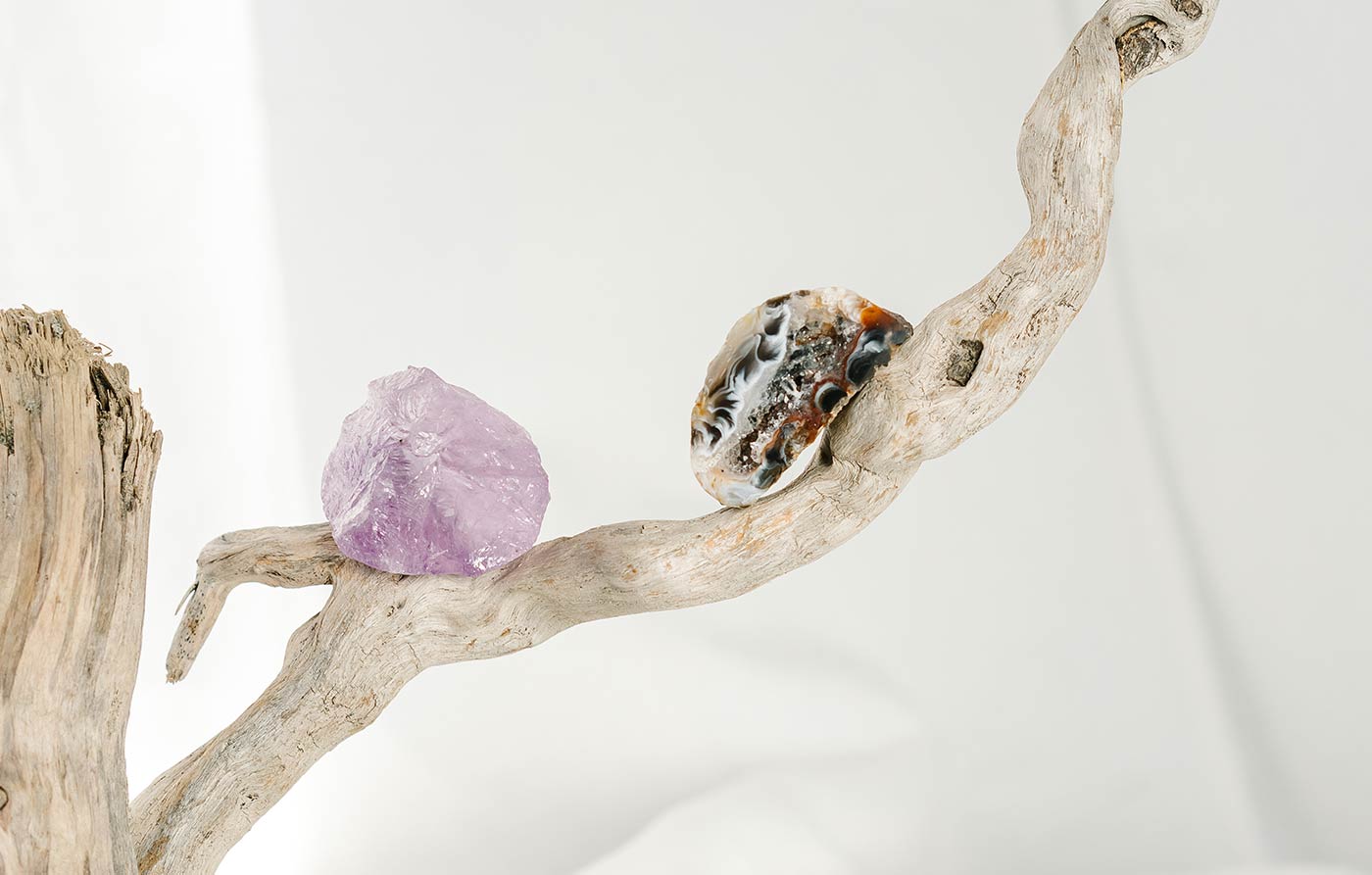
When it comes to gemstones, they come in a wide variety of colors, shapes, and sizes, offering a range of options to suit different preferences. Here are some aspects to consider:
Colors:
Gemstones can be found in virtually every color of the rainbow, and sometimes even in a combination of colors. From the deep green of emeralds to the vibrant blue of sapphires or the fiery red of rubies, each gemstone has its own distinct hue. Additionally, there are gemstones that are colorless, such as diamonds, and those that exhibit multiple colors like opals.
Shapes:
Gemstones come in various shapes, including round, oval, pear, marquise, square, cushion, and many more. Each shape has its own aesthetic appeal and can be chosen based on personal preference or the design of jewelry. Some gemstones are also cut into unique and distinctive shapes to highlight their natural characteristics.
Sizes:
Gemstones are available in a wide range of sizes, from tiny accent stones to large centerpiece gems. The size of a gemstone can impact its visual impact and price. Carat weight is often used to measure a gemstone’s size, with larger carat weights generally indicating a larger stone.
It’s important to note that different gemstones have their own specific properties, appearances, and available sizes. When choosing gemstones, consider factors such as color symbolism, personal style, and the occasion or purpose for which the gemstone will be used. Consulting with a knowledgeable jeweler or gemologist can provide guidance and help you find the perfect gemstone that meets your desired color, shape, and size preferences.



Loren Evans
Lorem ipsum dolor sit amet, consectetur adipiscing elit, sed do eiusmod tempor incididunt ut labore et dolore magna aliqua. Ut enim ad min im veniam, quis nostrud exercitation ullamco laboris nisi ut aliquip.