No products in the cart.
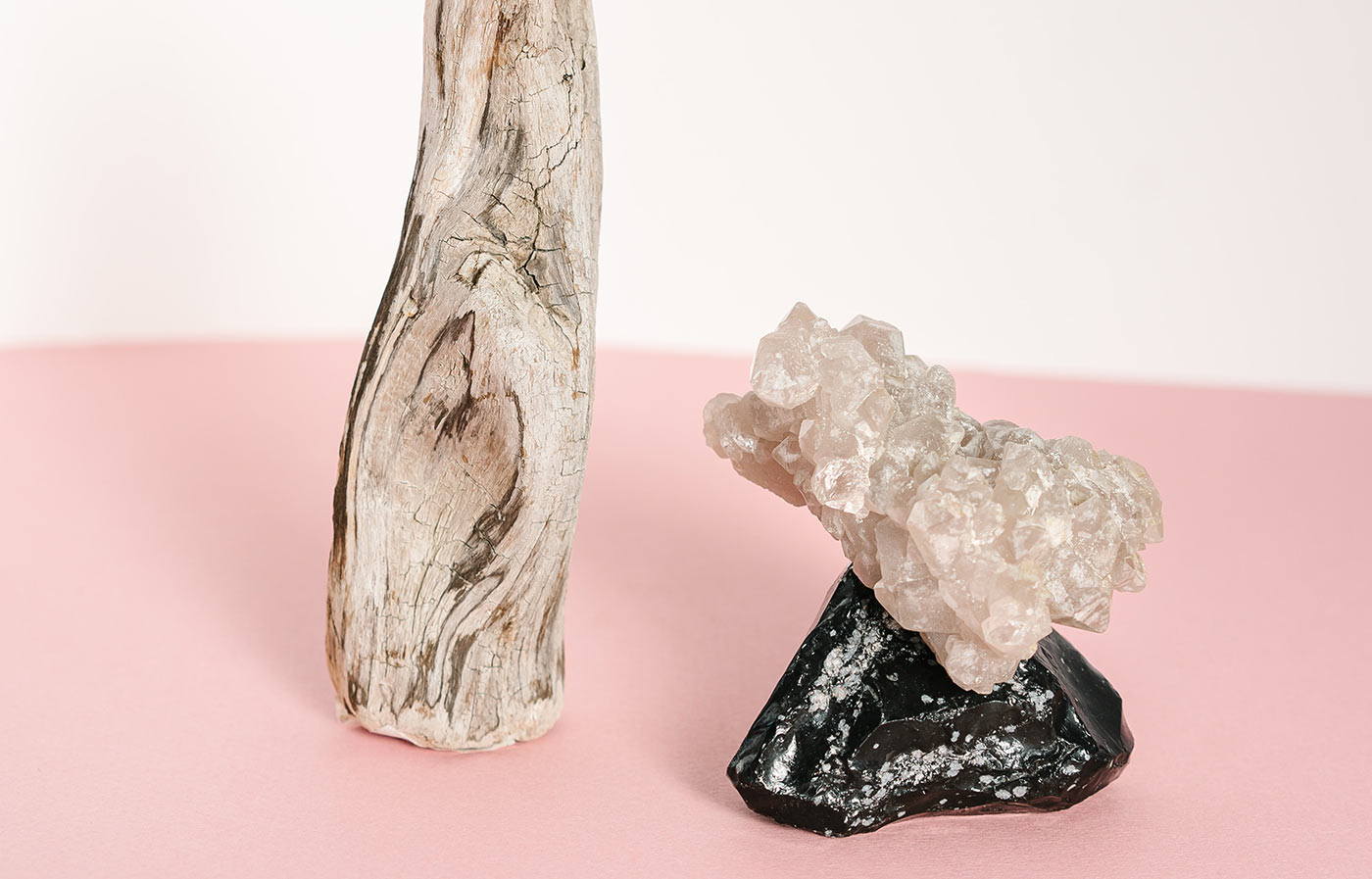
What English lore can tell us of Life
English lore contains various beliefs and legends about life, often intertwined with mythology, religion, and folklore. Here are a few aspects worth mentioning:
1. Creation Myths: English lore includes creation myths that explain the origin of life. One such myth is the story of Yggdrasil in Norse mythology, where the world tree symbolizes the interconnectedness of all life.
2. Fairy Folklore: English folklore often includes tales of fairies, magical beings associated with the cycles of life. Fairies are believed to have the power to bless fertility, influence growth, and bring harmony to the natural world.
3. Folk Medicine and Herbal Remedies: English lore encompasses traditional folk medicine practices and herbal remedies used to promote health and longevity. Ancient wisdom passed down through generations offers insights on the healing properties of various plants and natural ingredients.
4. Celebrations of Life: English culture has long celebrated life through various festivities and rituals. May Day, for example, marks the arrival of spring and is associated with fertility, rebirth, and the awakening of life after winter. Other celebrations, like Easter, also have ties to the rejuvenation of life and the idea of rebirth.
5. Folk Songs and Ballads: English folklore contains numerous songs and ballads that reflect the joys and struggles of life. These traditional tunes often depict everyday experiences, love, hardships, and the circle of life itself.
6. Legends of Immortality: English lore includes legends and stories related to the quest for immortality or extended life. For instance, the search for the fabled Fountain of Youth is a recurring theme in various mythologies and folklore, offering the hope of everlasting life.
7. Tales of Transformation: English folklore features tales of transformation, where characters undergo metamorphosis, representing different stages and aspects of life. For example, the legend of King Arthur and his knights explores the themes of growth, maturity, and the cycle of life and death.
While English lore provides glimpses into the concept of life through mythology, folklore, and traditions, it’s important to approach these beliefs with an appreciation for their cultural and historical context. The interpretations and meanings of life evolve over time and can differ between regions and communities. Exploring these various narratives can deepen our understanding of the multifaceted ways in which life has been contemplated and revered throughout English lore.
Gemstones for your sign
If you’re interested in gemstones associated with your zodiac sign, here are some commonly suggested gemstones for each sign:
1. Aries (March 21 – April 19): Bloodstone, Diamond, Red Jasper.
2. Taurus (April 20 – May 20): Emerald, Rose Quartz, Green Aventurine.
3. Gemini (May 21 – June 20): Agate, Citrine, Tiger’s Eye.
4. Cancer (June 21 – July 22): Moonstone, Pearl, Aquamarine.
5. Leo (July 23 – August 22): Ruby, Carnelian, Sunstone.
6. Virgo (August 23 – September 22): Sapphire, Peridot, Amazonite.
7. Libra (September 23 – October 22): Opal, Lapis Lazuli, Rose Quartz.
8. Scorpio (October 23 – November 21): Topaz, Labradorite, Garnet.
9. Sagittarius (November 22 – December 21): Turquoise, Amethyst, Sodalite.
10. Capricorn (December 22 – January 19): Garnet, Onyx, Malachite.
11. Aquarius (January 20 – February 18): Amethyst, Labradorite, Aquamarine.
12. Pisces (February 19 – March 20): Moonstone, Amethyst, Aquamarine.
Please keep in mind that these associations are based on traditional beliefs and are not universally agreed upon. The choice of gemstones ultimately depends on personal preference and resonance with the individual. It’s essential to select gemstones that resonate with you and bring you joy and a sense of connection.
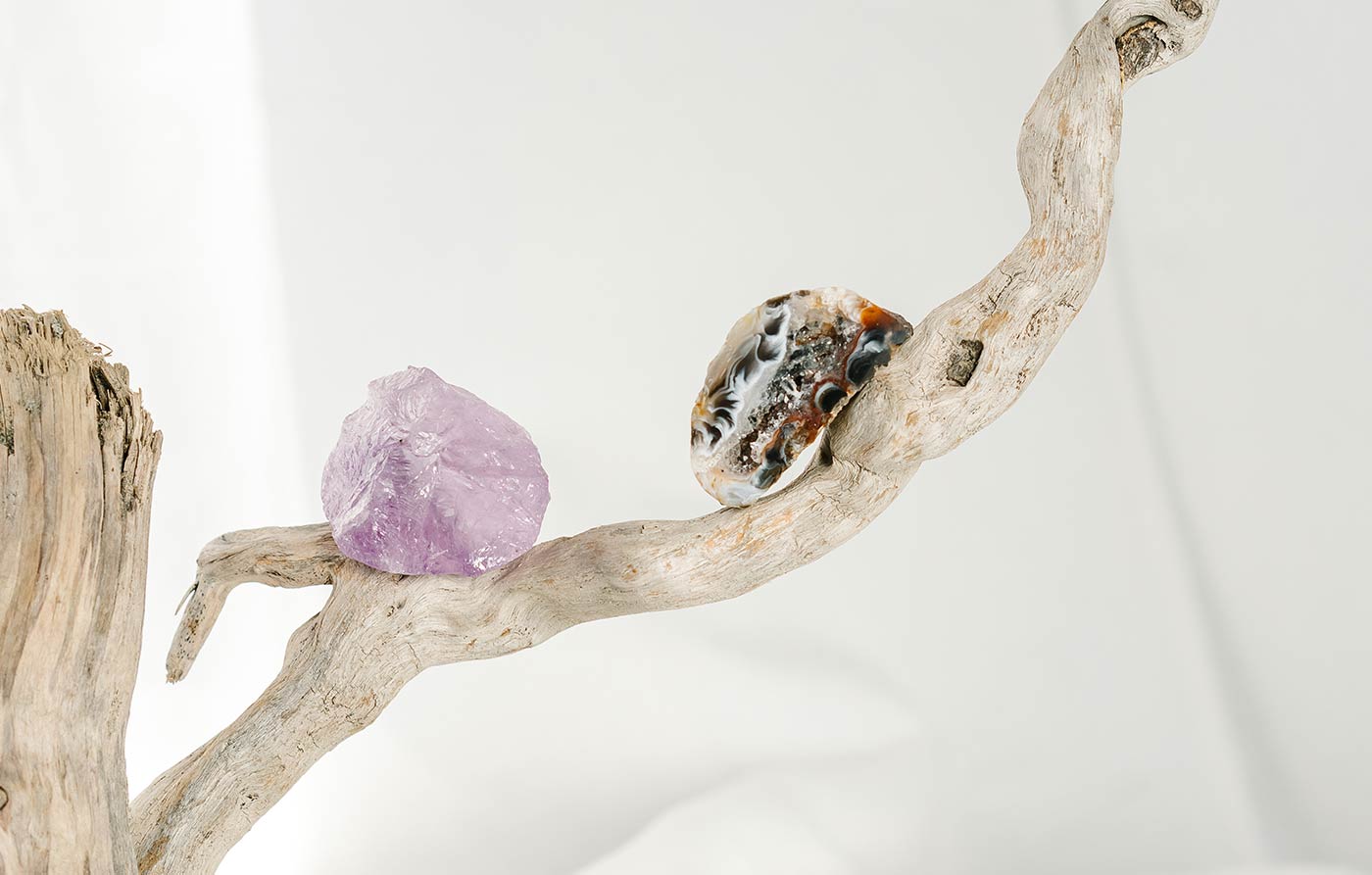
Different colors, shapes and sizes
When it comes to gemstones, they come in a wide variety of colors, shapes, and sizes, offering a range of options to suit different preferences. Here are some aspects to consider:
Colors:
Gemstones can be found in virtually every color of the rainbow, and sometimes even in a combination of colors. From the deep green of emeralds to the vibrant blue of sapphires or the fiery red of rubies, each gemstone has its own distinct hue. Additionally, there are gemstones that are colorless, such as diamonds, and those that exhibit multiple colors like opals.
Shapes:
Gemstones come in various shapes, including round, oval, pear, marquise, square, cushion, and many more. Each shape has its own aesthetic appeal and can be chosen based on personal preference or the design of jewelry. Some gemstones are also cut into unique and distinctive shapes to highlight their natural characteristics.
Sizes:
Gemstones are available in a wide range of sizes, from tiny accent stones to large centerpiece gems. The size of a gemstone can impact its visual impact and price. Carat weight is often used to measure a gemstone’s size, with larger carat weights generally indicating a larger stone. However, it’s important to note that size is not the only factor that determines a gemstone’s value, as factors like color, clarity, and cut also play a role.
It’s important to note that different gemstones have their own specific properties, appearances, and available sizes. When choosing gemstones, consider factors such as color symbolism, personal style, and the occasion or purpose for which the gemstone will be used. Consulting with a knowledgeable jeweler or gemologist can provide guidance and help you find the perfect gemstone that meets your desired color, shape, and size preferences.

Leave a Reply