No products in the cart.
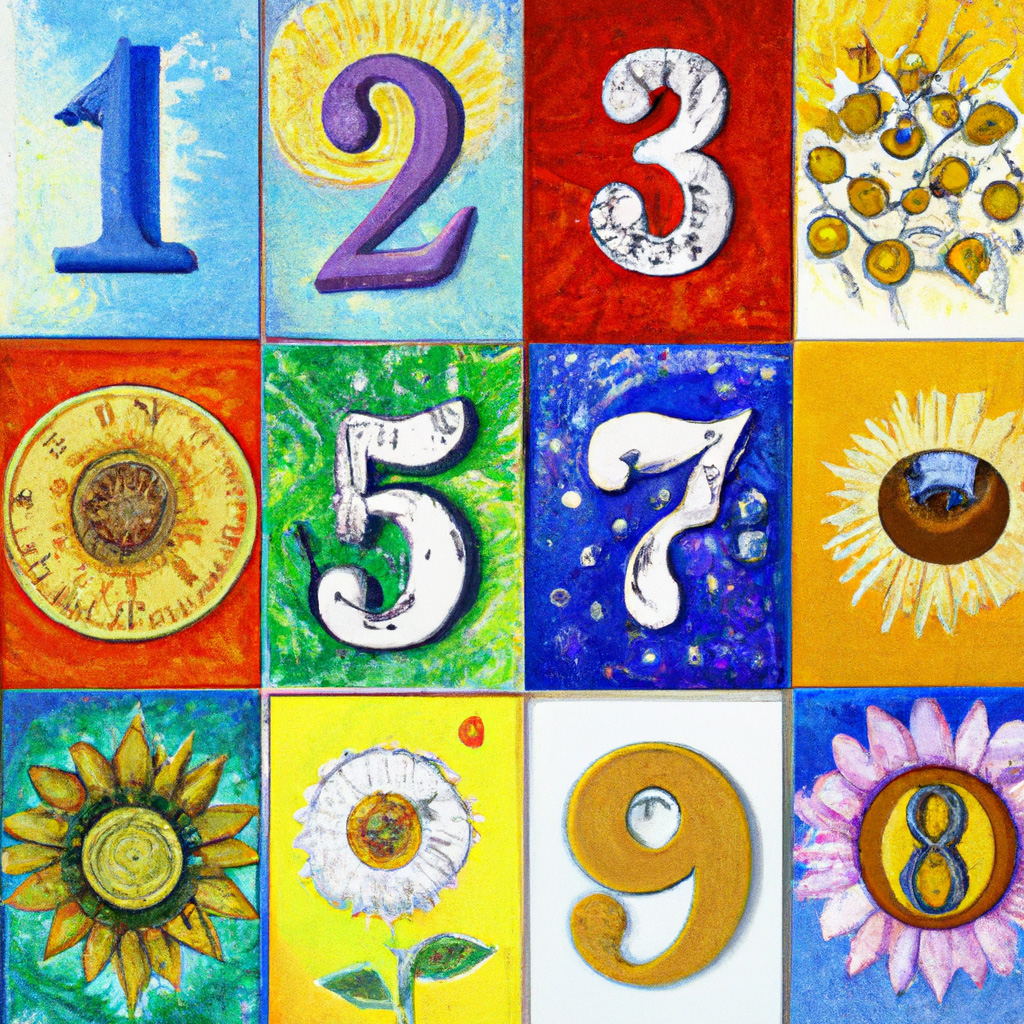
Definition of Numerology
Numerology is a metaphysical practice that assigns numerical values to letters, words, names, and dates, and uses these numbers to interpret aspects of a person’s life, personality, and characteristics. It is based on the belief that numbers have vibrational energy and can provide insight into various aspects of one’s life, including relationships, career, and personal growth.
In numerology, each number is associated with specific qualities and attributes. Numerologists analyze and interpret the patterns and combinations of numbers that appear in a person’s birth date, name, and other significant dates to gain insight and understanding. This can include determining a person’s life path number, which represents their purpose and potential in life, or analyzing the vibrations of various numbers to gain insight into their personality traits or compatibility with others.
Numerology is often used as a tool for self-discovery, personal growth, and understanding the energetic influences surrounding individuals. It can offer guidance and insight into different aspects of life, assisting individuals in making decisions, understanding their strengths and weaknesses, and gaining a deeper understanding of their life’s purpose.
It’s important to note that numerology is a metaphysical practice and is not based on scientific principles. It is regarded as a divination tool, allowing individuals to explore and interpret the symbolic and energetic implications of numbers to gain insight and understanding about themselves and their lives.
How Does Numerology Work?
Numerology works by assigning numerical values to letters and numbers, and then interpreting those values to gain insight into different aspects of a person’s life. Here are the basic steps involved in how numerology works:
- Assigning numerical values: In numerology, each letter of the alphabet is assigned a numerical value based on a specific system. For example, in the popular Pythagorean system, A is 1, B is 2, C is 3, and so on. The numerical values are derived from the position of the letters in the alphabet.
- Calculating personal numbers: Numerologists use various formulas to calculate personal numbers based on the birth date and name of an individual. These calculations may involve reducing numbers through addition or extracting specific numbers from the date or name. The most common personal numbers calculated in numerology include the life path number, destiny number, and expression number.
- Interpretation: Once the personal numbers are calculated, numerologists interpret the meanings associated with each number. Each number is associated with distinct qualities, energies, and vibrations. Numerologists analyze the patterns, combinations, and relationships between these numbers to gain insight into different aspects of an individual’s life, personality, strengths, weaknesses, and potential.
- Applying numerology to life: Numerology insights can be applied to various areas of life, including relationships, career choices, personal growth, and decision-making. Individuals can use numerological guidance to better understand themselves, identify their life purpose, improve relationships, make informed choices, and navigate life challenges.
What Can a Numerology Reading Tell You?
A numerology reading can provide insights into various aspects of your life, personality, and relationships. Here are some things a numerology reading can potentially tell you:
- Life path and purpose: Your life path number in numerology can reveal your innate talents, strengths, and the general direction of your life. It provides insights into your purpose and potential, helping you align with your true calling and find fulfillment.
- Personality traits: Numerology can highlight your personality traits and characteristics based on your expression number. It can provide valuable information about your innate qualities, strengths, weaknesses, and how you interact with others and the world.
- Career and vocation: Numerology can offer guidance on suitable career paths based on your numerological profile. It can uncover your natural talents, skills, and areas where you may excel professionally, helping you make informed decisions regarding your career choices.
- Compatibility and relationships: Numerology can assess compatibility between individuals based on their numerological profiles. It can help you understand the dynamics of your relationships – whether romantic, friendships, or partnerships – and provide insights into how to work harmoniously with others.
- Timing and cycles: Numerology can also provide insight into the cycles and patterns that occur throughout your life. It can help you understand the energetic influences that may be present during specific periods, allowing you to make informed decisions, anticipate challenges, and maximize opportunities.
- Personal growth and self-awareness: Numerology can serve as a tool for self-discovery and personal growth. By understanding your numerological profile, you can gain deeper insights into yourself, your patterns, and your potential for growth. It can support your journey of self-awareness and help you align with your highest self.
It’s important to remember that numerology readings are subjective interpretations based on numerological systems and the expertise of the numerologist. While numerology can provide valuable insights and guidance, it does not determine your choices or outcomes. Ultimately, you have the power of free will and can use numerology as a tool to gain self-awareness and make informed decisions in your life.
Numerology Types and Origins
There are several types or systems of numerology that are practiced today, each with its own methodology and roots. Here are some of the most prominent types of numerology and their origins:
- Pythagorean Numerology: Named after the ancient Greek mathematician Pythagoras, this system is one of the oldest and most widely used forms of numerology. Pythagorean numerology associates numerical values with the letters of the alphabet based on their position in the sequence. It is believed that Pythagoras developed this system in ancient Greece around 500 BCE.
- Chaldean Numerology: Chaldean numerology is named after the Chaldeans, a Semitic people who lived in Babylonia during ancient times. Chaldean numerology assigns numerical values based on a different system than Pythagorean numerology. It is often believed to be more ancient than Pythagorean numerology, with roots tracing back to ancient Mesopotamia.
- Kabbalistic Numerology: Kabbalistic numerology is derived from Jewish mystical teachings and the Kabbalah, a mystical branch of Judaism. This system assigns mystical meanings to numbers and applies numerology principles to interpret the hidden meanings in scripture and spiritual texts.
- Chinese Numerology: Chinese numerology is based on ancient Chinese traditions and beliefs. It assigns numerical values to Chinese characters and utilizes the principles of yin and yang, the Five Elements, and the Chinese zodiac. Chinese numerology is often used to determine auspicious dates, names, and other factors in various aspects of Chinese culture, such as naming children and businesses.
- Indian Numerology (Vedic Numerology): Indian numerology, also known as Vedic numerology, has roots in ancient Indian traditions and Vedic astrology. This system assigns numerical values to the Sanskrit alphabet and combines numerology principles with astrology to provide insights into the life path, personality, and karma of individuals.
These are just a few examples of the different types of numerology practiced today. Each system has its own unique methodology and interpretations. It’s important to note that these systems are based on metaphysical beliefs and principles and may vary in their approach and specific practices.

Leave a Reply